Custom of Cultivating and Using Koryo Insam
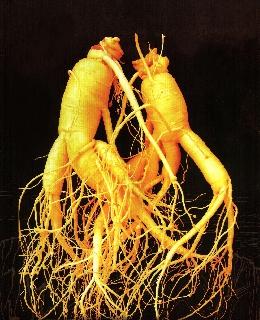
Insam (ginseng), one of the specialities of the Kaesong area, originally grew in the wild until it was first transplanted to the field for cultivation in the 11th - 12th century A.D. during Koryo dynasty (918-1392).
Kaesong, situated in the southern part of the DPRK, is well-known as the right place for growing insam for the local soil, water and meteorological conditions as well as unique cultivation method.
Insam from this area is incomparably better than those from other areas in terms of medicinal effectiveness. Hence, it became widely known as Koryo insam or Kaesong Koryo insam.
Insam is divided into hongsam, paeksam, sugsam and others according to its processing method.
Koryo insam contains various glycosides necessary for human health as well as abundant essential amino acids, various vitamins and minerals, etc.
It helps to protect the five human viscera (the five vital human organs in traditional Korean medicine, namely – the heart, liver, lungs, spleen and kidney), has good influence on the brain and vascular system, and promotes metabolism by stimulating internal glands.
And it is also one of the main ingredients in Koryo pharmaceutics as it helps enhance physical strength, alleviate fatigue, enhance mental and physical capacity, and invigorate the body.
Since it was proved to have anticancer effect, insam got all the more popular.
Hundreds of Kaesong Koryo insam products such as insam tea, insam indan (refreshing pillets), insam extract, insam liquor, insam preserve and insam jelly are highly appreciated among our people as healthy products. Insam is also an ideal raw material for cosmetic products.
Korean people have long used insam for their diet, the typical food being samgyetang. It is chopped chicken soup with insam cooked with different supplementary ingredients such as chestnut, jujube, ginkgo nut, garlic, etc.
The custom of cultivating and using Koryo insam has been registered and is being inherited as the national intangible cultural heritage.